
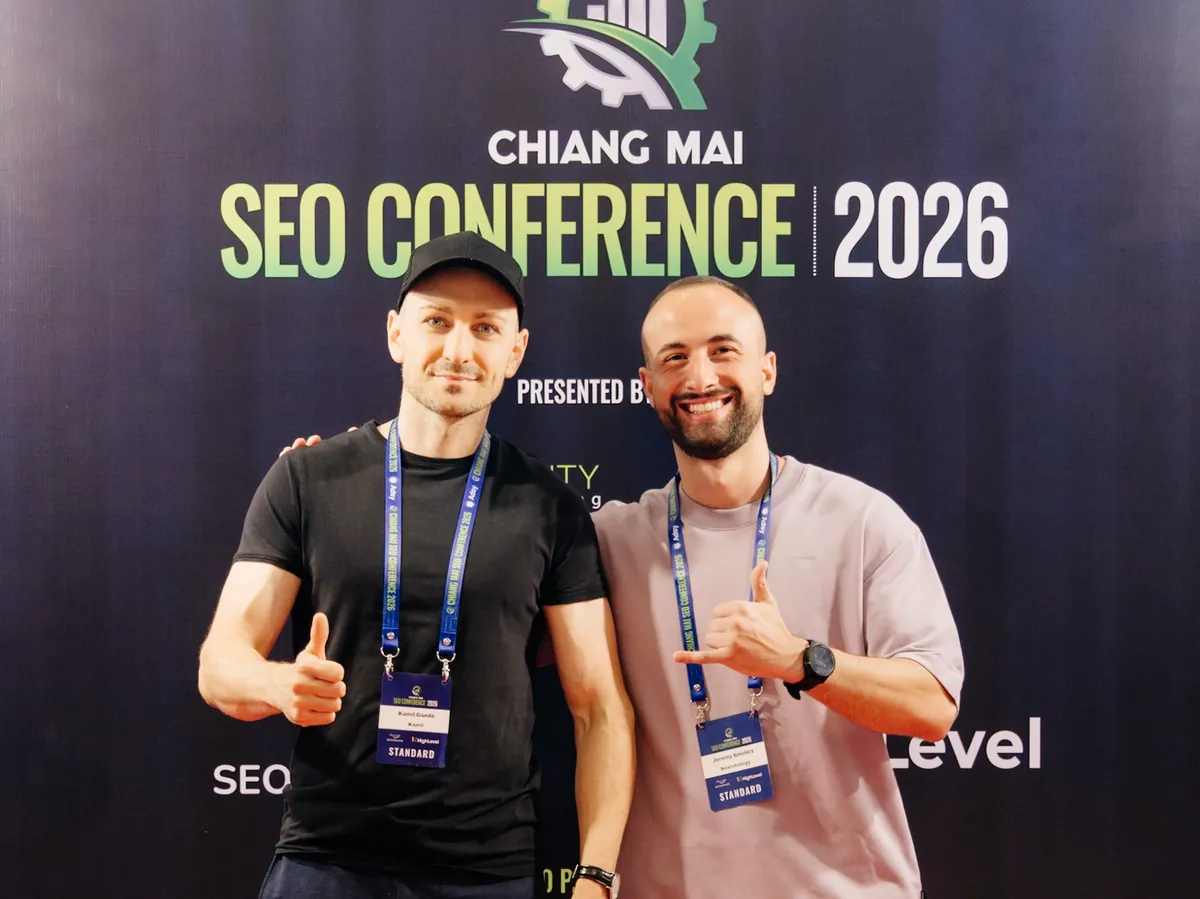
In November 2026 I spent five days at the Chiang Mai SEO Conference in Thailand. The short version: Google is still where most local customers find a business, but AI answers now decide which businesses get named, and they repeat whoever the rest of the web agrees with. Here’s what I brought home and what it means for your business.
Why fly to Thailand for an SEO conference?
Search changes month to month, and a lot of what works never makes it into a blog post. The Chiang Mai SEO Conference is presented by Diggity Marketing and Smash Digital, and the 2026 event sold out. It ran from 9 to 13 November at the Chiang Mai Marriott Hotel: two days of strategy sessions, a community day, then two days of main-stage talks, with 26 speakers across AI search, technical SEO, link building, content and business growth. Most of them run agencies or websites in some of the hardest search markets in the world.
I went to bring back things I could use in client campaigns, and some of it was in use before the week was out. After the first day’s AI search sessions, including Jabez Reuben’s “LLM And AiO Domination”, I used what I’d heard to shape a new air conditioning page for an Adelaide electrician.
The talks, and what each one means for clients
| Talk | What I took away | What it means for clients |
|---|---|---|
| LLM And AiO Domination Jabez Reuben, founder of The Blueprints Agency | People ask AI tools much longer questions than they type into Google, and the businesses AI names can change from one day to the next. | Pages that answer the whole question in plain language, and AI visibility tracked over time, not checked once. |
| The Last SEO Play: How To Trade Rankings For Equity Dennis Yu, CEO of BlitzMetrics | Make the web agree about who a business is, and judge SEO by the value it adds to the company. | One consistent story about your business everywhere it appears, and reporting on leads and value, not just traffic. |
| The Parasite SEO Playbook: Rank Fast Without Owning The Domain Ivana Flynn, co-founder of DMCA Boss | Big platforms like YouTube and Reddit rank quickly and are among the sites AI answers cite most. | A genuine presence where customers already look, starting with videos of real jobs. |
| Why Good Agencies Fail Jacob Kettner, founder and CEO of First Rank | Agencies that don’t measure the work going into each client end up under-delivering or over-charging. | Campaigns scoped to the work your business needs, with that work measured. |
| Modern Black Hat SEO 2.0 Charles Floate, SEO consultant with 18 years in the industry | AI repeats whatever the web agrees on, Google favours its own properties like YouTube, and every date on a page should match. | The white-hat version of what’s working: consistent facts across the web, video, and pages that are genuinely kept up to date. |
| Your New Local SEO Playbook To Dominate Google Joy Hawkins, owner of Sterling Sky, in local SEO since 2006 | Google Business Profiles are changing, AI local results are arriving, and how often new reviews come in matters most. | Business details that match everywhere, a steady flow of reviews, and real awards on show. |
| Perception Engineering: Getting Cited Is The Easy Part Jonathan Kiekbusch, founder of SwishDM | Being mentioned by AI isn’t enough. What it says about you matters, and every criticism is a content brief. | We check how AI tools describe a business, then close the gaps with content and proof. |
| The Story Scraped 50M LLM Answers Michał Suski, co-founder of Surfer | Pages that answer in the first 50 words, with facts and tables, and that rank in Google’s top 10 get cited most. | Pages built to be quoted: the answer first, real details, and tables where they help. |
Here’s more detail on the ideas that matter most for a local business.
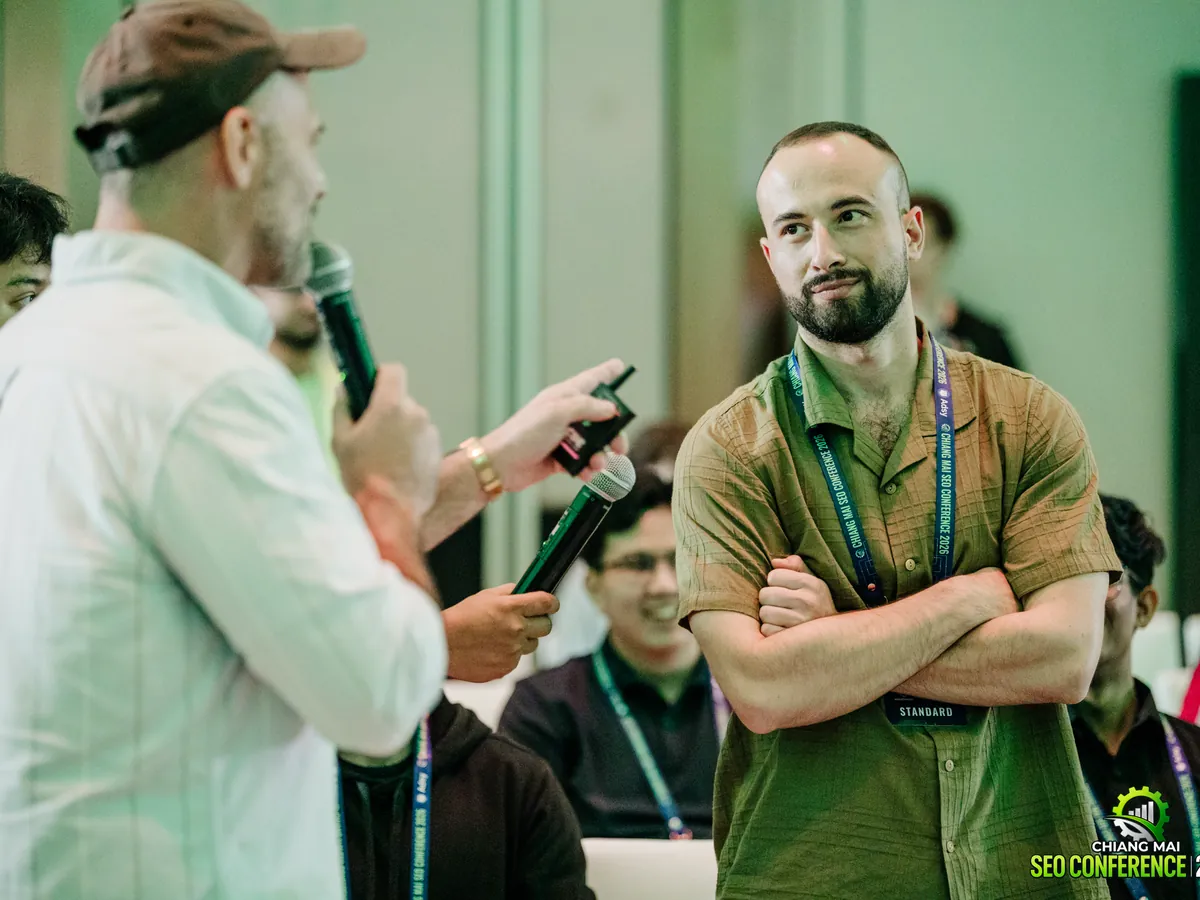
1. Google is still the biggest source of local leads
In “Your New Local SEO Playbook To Dominate Google”, Joy Hawkins, who has worked in local SEO since 2006, was clear that Google is still the largest driver of leads for local businesses. What’s changing is how people use it:
- Photos are replacing the call button on many Google Business Profiles, so fewer people tap straight through to call.
- AI-generated local results are starting to replace the regular map pack. Sometimes Google can’t connect a business to its profile, and it drops out.
- For map rankings she ranked reviews in this order: how often new ones come in, how many you have, then your average rating.
- Real awards are acting a bit like reviews in AI local results.
What it means for you: write your business name exactly the same way everywhere, down to the capitals and spelling. Ask for reviews steadily after every job instead of in bursts. If you’ve won a genuine award, show it on your website and your Google profile.
2. AI answers repeat whoever the web agrees with
This came up again and again. Charles Floate put it simply: AI models don’t know facts, they go with the consensus. Jonathan Kiekbusch said the same thing another way: AI isn’t judging what’s true, it’s weighing what it can find against what it already believes.
Dennis Yu’s talk, “The Last SEO Play: How To Trade Rankings For Equity”, gave the fix: make the web agree about who your business is. Have one clear home for the business on your own website, then back it up with five things: your company, your people, your proof, who you work with, and your customers in your city. In his view press counts for more than podcasts, and podcasts count for more than directory listings.
What it means for you: your website should say plainly who you are, what you do and where you work. Your Google profile, directory listings, suppliers and any local press should say the same things. When they disagree, AI tools hedge or leave you out.
3. How pages get named in AI answers
In “The Story Scraped 50M LLM Answers”, Michał Suski, co-founder of Surfer, shared his company’s research on what gets a page cited by ChatGPT, Google’s AI answers and the rest. A few points stood out:
- Ask an AI tool the same question twice and only around 40% of the businesses it names will match. Checking once tells you very little.
- In their data, 95% of the pages AI tools cite rank in Google’s top 10 for at least one search. Ranking on Google still comes first.
- Pages that answer the question in the first 50 words, with real facts and details, get cited more. Tables help.
- Most citations in Google’s AI answers go to pages older than six months, so good pages keep earning their spot.
What it means for you: a page that answers the customer’s question straight away, with real prices, specs and job details, does well on Google and in AI answers. This is the thinking behind our AI search optimisation work.
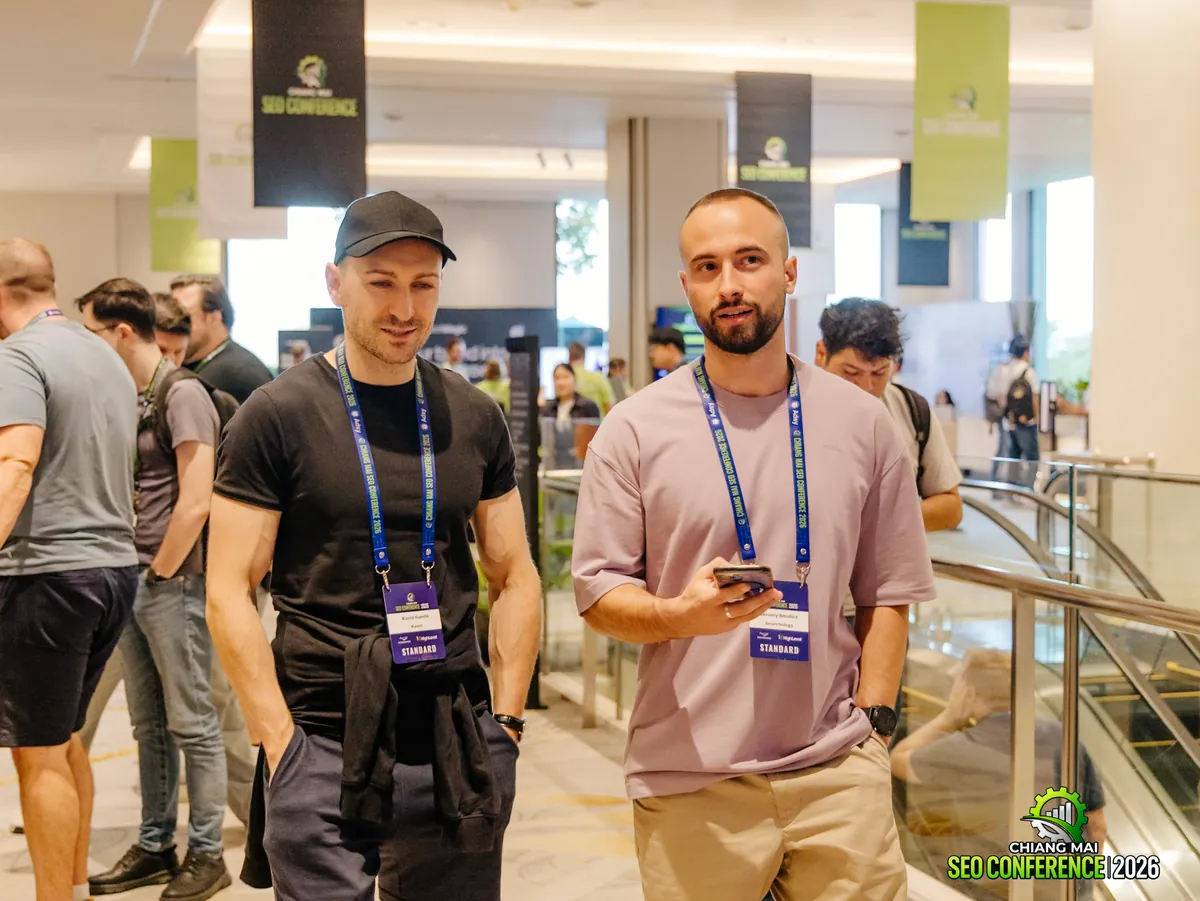
4. Real jobs, photos and videos are proof
Dennis Yu talked about turning the work a business already does into content: job photos, videos and write-ups of real projects, posted on the website and shared widely. Jonathan Kiekbusch added that a video is a document AI can read. Write the title, description and captions properly, and name the chapters after the questions customers actually ask.
What it means for you: the photos on your phone from last week’s jobs are worth more than stock images and generic copy. A short video of a real job, with a clear title and captions, is something both Google and AI tools can use.
5. What black-hat SEO reveals about what’s working
A good part of the week covered black-hat SEO, including Charles Floate’s talk, “Modern Black Hat SEO 2.0”. Black-hat specialists test the edges of Google faster than anyone, so their results show what Google and AI tools are rewarding right now. Here’s what they’re testing, and the white-hat lesson behind each:
- How searchers interact with a result. Google pays close attention to which results people choose and stay on. The white-hat version is a page people actually want: a clear title, the answer up top and real photos.
- Reddit, YouTube and forums. These are among the sites AI answers cite most. The white-hat version is genuine videos and real answers in the places customers already ask questions.
- Many sites repeating one message. It shows how much weight agreement across the web carries. The white-hat version is real partners, suppliers, press and directories saying the same true things about a business.
- Review and comparison pages. They show AI tools compare businesses on specific features. The white-hat version is honest comparison pages and tables on the business’s own site.
Knowing why these tactics work tells us which honest signals matter most. That goes straight into our white-hat campaigns, so clients get the benefit without putting at risk the website their leads depend on.
What changes for Searchology clients
- Checking that each client’s name and details match across their website, Google profile and listings, so Google and AI tools connect them to the right business.
- Writing pages that answer the question in the first few lines, with real details from the client instead of filler.
- Turning real jobs, photos and videos into proof on the website and Google profile.
- Tracking how AI tools describe clients by asking the same questions many times, not once.
If you want to see how your business shows up in Google and AI answers right now, book a free SEO strategy call and I’ll walk you through it. You can also see more photos from the conference on my founder page.